RAM & Storage Variants
Meizu Note 16 Key Features
Meizu Note 16 Specifications
Build & Design
- Dimensions
- 167.56 × 75.77 × 9.18mm
- Weight
- 216.9g
- Available colors
- Snow Jade White, Rock Black, Red
Network & Frequency
- Network technology
- GSM / HSPA / LTE / 5G
- 5G bands
- n1/n3/n5/n8/n28/n41/n78
Processor & Software
- Operating system
- Flyme AIOS
- Chipset / SoC
- Unisoc T8200
- Fabrication process (nm)
- 6nm
- GPU
- Mali-G57
Display
- Display technology
- LCD
- Screen size
- 6.78 inches
- Resolution
- 2460 × 1080 pixels
- Pixel density (ppi)
- 396 ppi
- Refresh rate
- Up to 120Hz
- Brightness (nits)
- 1050 nits typical maximum
Memory & Storage
- RAM
- 8GB / 12GB
- Internal storage
- 128GB / 256GB
- Memory configurations
- 8GB + 128GB; 8GB + 256GB; 12GB + 256GB
Cameras & Video
- Rear camera setup
- 50MP, f/1.8
- Rear camera features
- PDAF, night mode
- Front camera
- 8MP
Connectivity
- Wi-Fi
- Wi-Fi 5
- Bluetooth
- 5.0
- USB
- USB Type-C 2.0
Sound & Multimedia
- Speakers
- Mono speaker
- 3.5mm headphone jack
- 3.5mm jack
Sensors & Security
- Fingerprint reader
- Side-mounted
Battery & Charging
- Battery capacity
- 6600mAh (typical)
- Wired charging
- Up to 40W wired (11V × 3.6A)
- Wireless charging
- No
Durability & Repairability
- IP rating
- IP65
Meizu Note 16: What matters about this phone
The Meizu Note 16 is a large-screen 5G phone built around battery endurance rather than premium camera extras. Its official specification combines a 6600mAh battery, Unisoc T8200 chipset, 6.78-inch 120Hz LCD and 50MP main camera. The phone has a practical specification for everyday use, but a verified authorised Pakistan price and local warranty are not available from the evidence reviewed. Do not confuse a Chinese launch price with an actual rupee selling price.
Design and handling
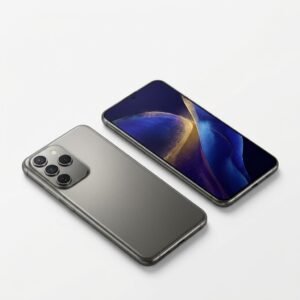
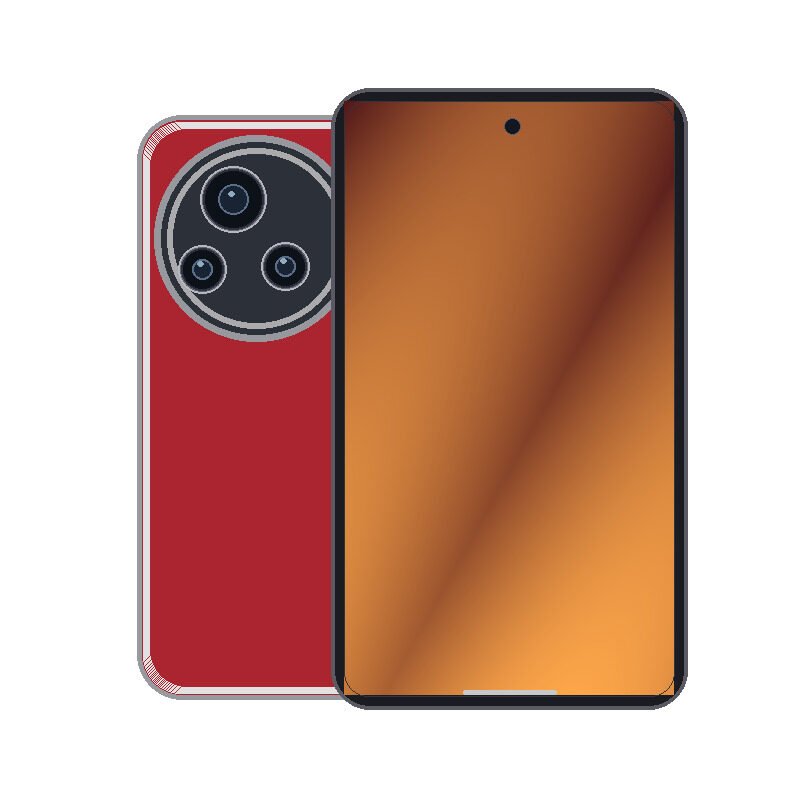
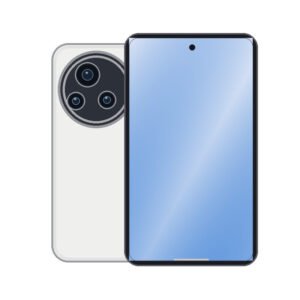
The Note 16 measures 167.56 by 75.77 by 9.18mm and weighs 216.9g, making it a substantial handset. That size is unsurprising given the huge battery. The back has a dominant circular camera island, with red, black and white colour options documented. The phone is more comfortable when used with two hands for long reading or video sessions. IP65 protection is a welcome defence against dust and water jets, but not a guarantee against immersion or liquid damage after wear.
Display quality and everyday viewing
The large 6.78-inch LCD uses a 2460 by 1080 resolution with up to 120Hz refresh. Its 396ppi density is strong enough for sharp everyday text and diagrams without requiring the higher cost of a flagship OLED screen. LCD technology also means it will not have the same per-pixel black levels as an OLED panel. Meizu publishes a typical maximum brightness figure of 1050 nits, rather than a blanket promise that all content will always reach that level outdoors.
Chipset, memory and real-world use
Unisoc T8200 is a 6nm chipset that supports 5G connectivity and typical smartphone tasks. It is not in the same processing class as a Snapdragon 8-series device. Browsing, messaging, maps, online classes and light-to-moderate gaming are more natural use cases than intensive graphics settings. The published memory combinations include 8GB and 12GB versions, paired with 128GB or 256GB storage. A buyer should inspect the exact variant rather than accepting an advertising headline that mixes multiple options.
Cameras and video expectations
The Note 16 carries a 50MP main camera with autofocus and a 2MP depth sensor, plus an 8MP front unit. A high main resolution is useful for well-lit subjects, but it is not evidence of an ultra-wide view, optical zoom or sophisticated stabilisation. Meizu lists night-processing options, although no independent image test is claimed here. It is sensible for occasional family photographs, scanning documents and video calls, but a dedicated camera enthusiast should consider the Note 16 Pro or a model with more lens choices.
Battery capacity and charging
A 6600mAh typical battery is the defining reason to consider this model. Such capacity should provide meaningful extra energy headroom for navigation, calls and long video sessions, though screen brightness and mobile data conditions still affect actual runtime. The official electrical specification supports charging close to 40W under its supported voltage and current profile. Wireless charging is absent. Use a compatible USB-C charger and remember that the charging peak is not maintained for the entire cycle.
Connectivity and software considerations
The manufacturer specifies 5G NR bands, 4G LTE, Wi-Fi 5, Bluetooth 5.0 and a 3.5mm headphone jack. The physical audio connection is a practical convenience for wired earphones and inexpensive headsets. A side-mounted fingerprint reader also avoids the cost and behaviour of a display-integrated sensor. For Pakistani SIM service, the exact import variant, radio band support and PTA status need confirmation separately. Presence of 5G technology does not automatically establish that every operator service will work.
Pakistan price, variants and ownership checks
Three memory and storage combinations are documented, and they should not be priced as one product. A person who stores downloaded lectures, offline maps or large photo libraries may find 256GB worthwhile. Check the phone’s software build, supported language, Google services and notification behaviour if it is sourced from China. With a heavy handset, the included case and the long-term availability of a replacement battery are also meaningful ownership questions. Confirm any promised warranty in writing.
How it compares with nearby choices
The Note 16 Pro moves to a higher-end Snapdragon chipset, a sharper 144Hz OLED-class screen and an ultra-wide rear camera, while retaining a large battery. The standard Note 16 actually has the larger nominal capacity at 6600mAh versus 6200mAh in the Pro. That difference is worth noticing, although capacity alone does not rank endurance. Buyers with simple daily needs may benefit more from the standard model’s battery focus than from premium display and camera features they rarely use.
Weight, battery and portability
At nearly 217g, the Note 16 is heavy enough that a case can make prolonged one-handed use tiring. People who travel daily may prefer the extra energy capacity, especially when a plug is not readily available. Others may feel that lighter phones with smaller batteries are more pleasant in a pocket. This is a practical trade-off, not a clear victory for either side. If possible, hold the device with its case attached, type a full message and check how comfortably the fingerprint button can be reached.
Who should choose it
The Meizu Note 16 is a sensible hardware option for someone who wants a large display, 5G support, wired headphones and a particularly big battery. Its heavy body, LCD panel and simpler camera arrangement are clear trade-offs. Imported units deserve extra attention to software compatibility, PTA status and local repair support.
Meizu 21 Note
Meizu 21 Pro

Meizu 22

Meizu Lucky 08
Meizu Note 16 Pro

HONOR Win Pro
Samsung Galaxy S27