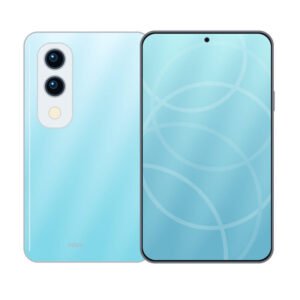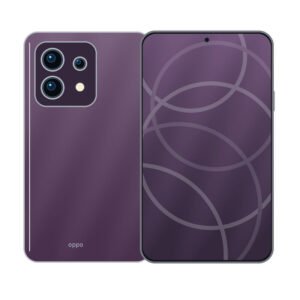
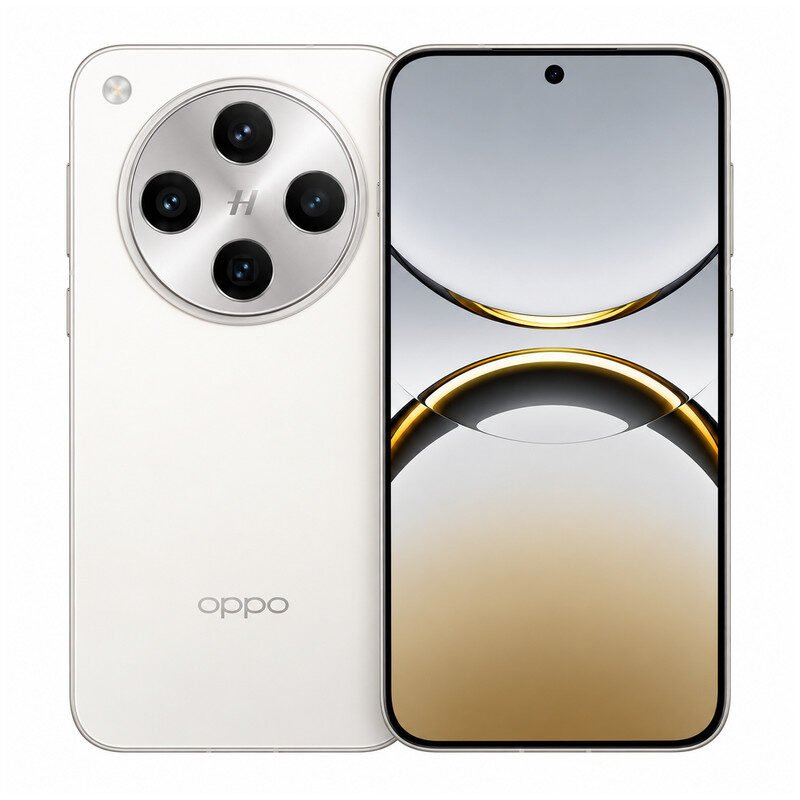
OPPO Find X8 Key Features

OPPO Find X8 Specifications
General & Launch
- Announcement date
- 21 November 2024 (global launch)
- Markets / regions
- Global launch announced by OPPO
- Regional model codes
- CPH2651
Processor & Software
- User interface
- ColorOS 15
- Chipset / SoC
- MediaTek Dimensity 9400
- GPU
- Immortalis G925 MC12
Performance Benchmarks
2,800,000
AnTuTu
Version v10
Total scoreAnTuTu
Version v10
Geekbench 6
Version v6
Scores reflect the listed benchmark versions; results from different tests are not directly comparable.
Build & Design
- Dimensions
- 157.35 × 74.33 × 7.85–7.95mm
- Weight
- 193g
- Available colors
- Space Black, Shell Pink, Star Grey
Display
- Display technology
- Flexible AMOLED
- Screen size
- 6.59 inches
- Resolution
- 2760 × 1256
- Refresh rate
- Up to 120Hz
- Brightness (nits)
- 4500 nits local peak
- Display protection
- Gorilla Glass 7i
Network & Frequency
- Network technology
- GSM / HSPA / LTE / 5G
- SIM configuration
- Nano-SIM + eSIM
- eSIM support
- Supported in applicable configurations
Memory & Storage
- RAM
- 12GB / 16GB
- RAM type
- LPDDR5X
- Internal storage
- 256GB / 512GB
- Storage technology
- UFS 4.0
- Memory configurations
- 12GB/256GB; 16GB/512GB
Cameras & Video
- Rear camera setup
- 50MP wide, OIS
- Ultrawide camera
- 50MP autofocus
- Telephoto camera
- 50MP telephoto, OIS
- Rear video recording
- 4K up to 60fps
- Front camera
- 32MP
Connectivity
- Wi-Fi
- Wi-Fi 6
- Bluetooth
- 5.4
- NFC
- Supported
- USB
- USB Type-C
Sensors & Security
- Fingerprint reader
- In-display
Durability & Repairability
- IP rating
- IP68 / IP69
Battery & Charging
- Battery capacity
- 5630mAh typical
- Wired charging
- 80W SUPERVOOC wired
- Wireless charging
- 50W AIRVOOC
Overview and buying position
The OPPO Find X8 is a comparatively compact flagship with a 6.59-inch AMOLED panel, Dimensity 9400 chip and three 50MP rear cameras. Its appeal is specific rather than universal: it makes sense for people focused on daily work, travel, video creation and high-end multitasking without a large handset. The key trade-off is equally clear: its 3× telephoto arrangement is less flexible at longer distances than the Pro model’s additional zoom lens. That distinction matters more than a long specification list when comparing phones in Pakistan.
Pakistan pricing varies by import channel and is not sufficiently documented to enter a single reliable quote. A price shown for an unfamiliar variant, an unregistered import or an old retailer listing is not automatically the cost of the exact phone described here. Pay particular attention to the confirmed model number, memory configuration and the warranty paperwork before using any quoted figure as a comparison point.
Design, screen and practical handling
The design centres on a slim 193g body with flat-screen styling, Gorilla Glass 7i and an IP68/IP69 rating. That physical arrangement determines how comfortable the handset feels for everyday use. A spec sheet gives size and weight, but grip, button accessibility, screen reflections and case fit are worth checking on the actual unit. Large or unusually shaped phones need more attention to pocket fit, especially if the camera housing protrudes.
The listed display details help explain the intended experience. Screen size alone does not determine clarity: resolution, panel technology, viewing angles and brightness each affect real use. A larger display gives room for reading and video, but can make one-handed operation more difficult.
Details that distinguish this model
A useful reason to choose the Find X8 over the X8 Pro is portability. The global CPH2651 version weighs approximately 193g and uses a 6.59-inch display. That is a meaningful reduction against the Pro’s 215g and 6.78-inch screen when a phone is held one-handed for travel, commuting or extended reading.
The standard X8 already carries three 50MP rear cameras and the Dimensity 9400, so the Pro isn’t necessary simply to get a telephoto camera or flagship processor. The Pro’s additional six-times lens is the more concrete photography difference. Both phones support fast wired and wireless charging, but the battery capacity and body size are not interchangeable.
Processor, memory and everyday speed
The MediaTek Dimensity 9400 underpins the experience. Performance expectations should come from its hardware class rather than an invented benchmark result. App loading, sustained workloads, available storage, background activity and software version all influence how responsive a particular handset feels.
Memory configurations matter. 12GB/256GB; 16GB/512GB. Physical RAM should not be confused with virtual expansion, and the nominal storage number is not the amount left free after the operating system and preinstalled apps. Buyers who keep offline maps, photos and downloaded videos should plan space accordingly.
Camera hardware and realistic expectations
The rear system consists of a 50MP OIS main, 50MP ultrawide with autofocus and 50MP OIS telephoto; the front camera is 32MP. A lens count or megapixel total cannot replace evidence about image processing, focus behaviour, movement and low-light results. There are no independently measured sample-image claims in this guide.
Different focal lengths serve different tasks: the main lens is the default for routine scenes, ultrawide helps with cramped views, and optical telephoto keeps distant framing more useful than relying on digital enlargement alone.
Display, video and long-term software detail
The 6.59 inches Flexible AMOLED screen is listed at 2760 × 1256 with Up to 120Hz refresh. The official chipset is MediaTek Dimensity 9400; the storage technology is UFS 4.0. In practice, that combination is aimed at smooth navigation and demanding software, but it does not prove a particular game frame rate or benchmark score. Those require a controlled test of the exact regional model.
Its video specification includes 4K up to 60fps. Recording resolution and frame rate describe supported formats, not final image quality. Stabilisation, lighting, the selected camera lens, thermal load and software processing affect the footage. This is particularly relevant for people switching between wide and telephoto views while shooting events or travel videos.
The interface is ColorOS 15. System updates can change camera processing, background app behaviour and network features; version support should be checked for the market-specific handset. An imported model can have different apps and regional services from a global one even when the processor name matches. Buyers should avoid assuming compatibility from screenshots of another variant.
Battery, charging and ownership costs
5630mAh typical capacity pairs with 80W wired SUPERVOOC and 50W AIRVOOC wireless charging. A capacity figure is not a measured runtime guarantee: brightness, mobile reception, camera use, games and app activity can change energy consumption substantially. The rated and typical capacities should not be mixed when comparing manufacturer data.
Check the cable, adapter and charging protocol supplied with the exact retail box. A charger with the same printed wattage does not necessarily deliver the manufacturer’s proprietary fast-charge mode. Heat, battery age and usage while plugged in also affect the real charging experience.
Network compatibility and Pakistan considerations
The global CPH2651 version should not be confused with every China configuration. Network bands, software region, warranty and PTA status should be checked for the specific unit.
Two apparently identical listings can have different outcomes when one is an officially supported local unit and the other is imported. The relevant checks are IMEI identity, PTA registration, the actual supported bands, SIM setup and documentation for service. A market listing or a brand name alone cannot establish the approval status of a particular handset.
Strengths, limitations and alternatives
The strongest reason to consider this model is daily work, travel, video creation and high-end multitasking without a large handset. That use case brings the most value from its stated hardware. Its weaker side is its 3× telephoto arrangement is less flexible at longer distances than the Pro model’s additional zoom lens; choosing it for a different priority may produce disappointment even if its headline numbers sound attractive.
A sensible comparison is Find X8 Pro for its fourth telephoto camera and larger screen. Compare the exact configuration rather than a headline model name. Think about how the display, cameras, app support and spare-parts access affect your own routine, and whether a feature you will use regularly deserves priority over another specification that merely looks impressive on paper.
Who should choose this phone?
OPPO Find X8 suits a buyer who understands its particular role and can verify the actual handset before spending money. It is intended for a buyer who values flagship hardware and understands that software region, warranty and local activation can be as consequential as camera performance.
Before committing, inspect the actual display, charging port, camera lenses and microphone; confirm that calls, data and fingerprint unlocking work with your own SIM when permitted. Match the box model number to the phone information menu, check the legitimate warranty, and compare the final cost rather than treating an advertised figure as an all-inclusive guarantee.