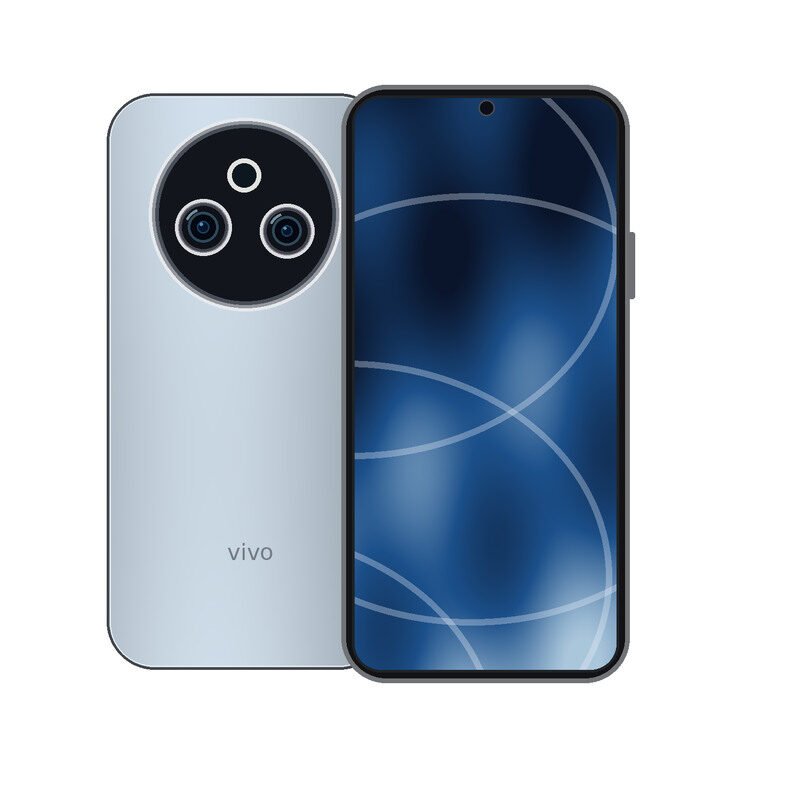
vivo Y300 Pro Plus Key Features

vivo Y300 Pro Plus Specifications
General & Launch
- Markets / regions
- China
Processor & Software
- Operating system
- Android 15
- User interface
- OriginOS 5
- Chipset / SoC
- Qualcomm Snapdragon 7s Gen 3
- Fabrication process (nm)
- 4 nm
- GPU
- Adreno 810
Performance Benchmarks
950,000
AnTuTu
Version 11.0
Total scoreAnTuTu
Version 11.0
Geekbench 6
Version 6.0
Scores reflect the listed benchmark versions; results from different tests are not directly comparable.
Build & Design
- Dimensions
- 163.40 × 76.40 × 7.89–7.93 mm
- Weight
- 199 g
- Available colors
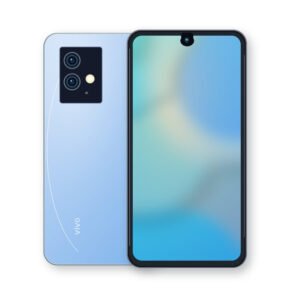
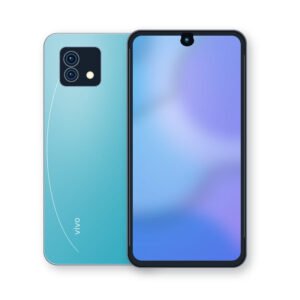
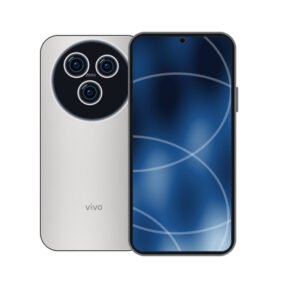
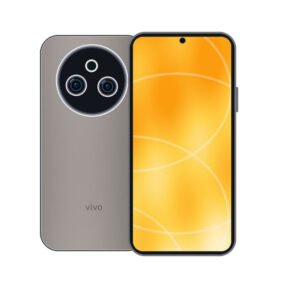
- Silver, Pink, Black
Display
- Display technology
- AMOLED
- Screen size
- 6.77 inches
- Resolution
- 2392 × 1080 pixels
- Refresh rate
- 120 Hz
- HDR formats
- Supported
Network & Frequency
- Network technology
- GSM / HSPA / LTE / 5G
- SIM configuration
- Dual Nano-SIM
Memory & Storage
- RAM
- 8GB / 12GB physical RAM
- RAM type
- LPDDR4X
- Internal storage
- 128GB / 256GB / 512GB
- Storage technology
- UFS 2.2
Cameras & Video
- Rear camera setup
- 50MP main f/1.79 + 2MP depth f/2.4
- Optical stabilization
- Main rear camera: OIS
- Rear video recording
- Up to 4K
- Front camera
- 32MP f/2.0
Connectivity
- Bluetooth
- 5.2
Sensors & Security
- Fingerprint reader
- Optical, under display
Additional Information
- Model numbers
- V2456A
Battery & Charging
- Battery capacity
- 7300mAh typical (7170mAh rated)
- Wired charging
- 90W wired
- Reverse charging
- OTG reverse charging supported
vivo Y300 Pro Plus overview and buyer position
The vivo Y300 Pro+ is a China-market 5G phone built around a large 7,300mAh battery, 90W wired charging, a 6.77-inch AMOLED panel and a Snapdragon 7s Gen 3 processor.
In Pakistan, the meaningful starting point is the exact phone variant, not an overseas headline price. Memory combinations, local network support, warranty and firmware should be checked against the handset being offered. The specifications displayed above describe confirmed hardware for the identified regional version; they are not a promise that every imported unit has the same configuration.
Display, body and daily handling
The 6.77 inches AMOLED runs at 120 Hz and has a listed resolution of 2392 × 1080 pixels. The refresh figure describes how often the panel can redraw; it does not make photographs sharper or guarantee that every game will render at that rate. Resolution, panel technology and brightness remain separate considerations when comparing phones.
The most remarkable number is the 7,300mAh typical battery, especially in a body around 7.9mm thick. Battery capacity cannot directly predict screen-on time, but it gives the phone an unusually large energy reserve for navigation, streaming and messaging. Vivo also lists 90W charging and reverse OTG charging. Its Snapdragon 7s Gen 3 processor offers a stronger everyday base than entry-level chipsets, while UFS 2.2 storage is less ambitious than top flagship flash memory.
Screen size is measured diagonally, so two phones with similar diagonal measurements can still feel different depending on aspect ratio, bezel width and weight. For regular typing and one-handed use, the placement of the power button, fingerprint sensor and camera bump can matter more than the marketing photos suggest. People who use a phone outdoors should judge brightness and reflections as well as the numerical refresh rate.
Processor, RAM and storage explained
At its centre is the Qualcomm Snapdragon 7s Gen 3. The confirmed physical memory is 8GB / 12GB physical RAM; storage options include 128GB / 256GB / 512GB. The listed combinations are 8GB RAM / 128GB storage; 8GB RAM / 256GB storage; 12GB RAM / 256GB storage; 12GB RAM / 512GB storage. Software-managed RAM extension is a separate feature and should never be added to installed RAM when comparing device hardware.
A chipset name provides a useful indication of target class, but it cannot establish actual app loading times, heat, sustained game frame rates or battery life without a controlled test of the correct device. System updates, free storage, thermal conditions and app versions can all change how a phone feels. For everyday use, enough real RAM and adequate available storage often matter more than a speculative benchmark score.
A user keeping many photos, offline videos or large messaging archives should check free space after the operating system and preinstalled software. A removable memory card can help with supported file types, but it does not automatically expand internal application storage or RAM.
Rear camera, selfies and video
Vivo uses a 50MP stabilized main camera plus a 2MP depth sensor. The latter contributes to portrait effects and is not an ultrawide or telephoto option. The front camera reaches 32MP, and the official specifications list up to 4K video recording.
The main camera hardware is listed as 50MP main f/1.79 + 2MP depth f/2.4, with a front-facing specification of 32MP f/2.0. Camera megapixels describe image resolution, not an independently measured quality score. Lens angle, focus, stabilisation, light and image processing all influence results.
For practical comparisons, consider whether you mostly photograph documents, family groups, moving subjects or distant scenes. A dedicated ultrawide is useful in cramped rooms; a telephoto is useful from further away; optical stabilisation helps counter camera movement but cannot freeze moving people. Avoid assuming that a product render with several circles necessarily contains several independent photographic cameras.
Battery life, charging and ownership
Official configurations include 8GB or 12GB actual RAM paired with several storage capacities; a retailer claiming 24GB RAM may be including a software extension.
The listed battery is 7300mAh typical (7170mAh rated) and the supported wired charging is 90W wired. Typical capacity is a standard battery specification; it is not a tested promise of a particular number of hours. Signal strength, screen settings, location services, gaming and video playback can change runtime significantly.
Charging wattage is also a ceiling under appropriate conditions, rather than a constant power level from empty to full. Cable, charger, heat management and battery protection systems affect charging behaviour. Buyers should distinguish charger compatibility from whether that charger is included in the regional box.
Operating system and connectivity
OriginOS 5 carries the Chinese software experience. The phone has attractive hardware for long sessions and media consumption, but regional Google support and update delivery should be considered before relying on it for primary work or banking.
The hardware includes 5G capabilities, but a compatible frequency range and local operator service are still required for an actual 5G connection. A handset advertised as 5G may use 4G wherever 5G has not been deployed, and international imports can differ in radio-band support.
Software version alone does not guarantee a fixed number of future upgrades. Regional support, the exact build and official update policy should be checked separately. Features available on international product pages may depend on compatible local services and settings.
Pakistan price, model identity and warranty
The Y300 Pro+ is a domestic Chinese model. The mainland launch prices are in yuan and should not be converted into a fictional Pakistan selling price. The local import version, cellular compatibility, software and repair options need checking separately.
No unsupported Pakistani price is inserted into this guide. A genuine retail quote needs a named local seller or manufacturer listing for the exact memory and regional model. A converted foreign currency amount is not an official price, because taxes, import status, warranty and local availability can change the total materially.
For a privately imported unit, check the device identifier, matching box label, IMEI registration position and a written warranty arrangement. PTA approval is specific to the phone and its registration status; the presence of a brand logo or the ability to connect temporarily does not establish that status. Keep proof of purchase and confirm service eligibility before relying on the phone as a daily device.
Advantages, limitations and alternatives
Highlights include the AMOLED screen, big battery, 90W charging, OIS main camera and reasonably compact thickness. The lack of a verified wide-angle camera and its China-first market position are important limits.
Compare the Y300 Pro+ against devices that trade some battery size for a wider camera selection, locally supported software or a better storage tier. The large battery is compelling only when the rest of the phone suits the buyer.
A useful comparison puts the same storage tier next to the same storage tier and separates verified hardware from sales claims. Paying more for a higher RAM figure is worthwhile only when it reflects actual installed memory or a genuinely different model. Decide which one feature you would not compromise on: network capability, screen quality, camera versatility, charging speed or after-sales service.
Who should choose vivo Y300 Pro Plus?
Well suited to buyers prioritising battery reserve, AMOLED viewing and everyday 5G features, provided they are comfortable with a mainland-market import.
Before purchasing, verify the exact model and colour, inspect the screen and camera glass, check calls and mobile data, confirm charging behaviour and read the applicable return terms. On imported phones, software region and local repair arrangements are as important as attractive specification numbers.