Nokia 8210 4G Key Features
Nokia 8210 4G Specifications
General & Launch
- Availability
- Available
Processor & Software
- Operating system
- S30+
- Chipset / SoC
- Unisoc T107
Build & Design
- Dimensions
- 131.3 × 56.2 × 13.8 mm
- Weight
- 107 g
- Build materials
- Candybar keypad design
- Available colors
- Sand, Dark Blue, Red
Display
- Display technology
- TFT LCD
- Screen size
- 2.8 inches
- Resolution
- 240 × 320 pixels (QVGA)
Network & Frequency
- Network technology
- GSM / HSPA / LTE
- SIM configuration
- Nano-SIM
Memory & Storage
- RAM
- 48MB
- Internal storage
- 128MB
- Memory card slot
- microSD, up to 32GB
Cameras & Video
- Rear camera setup
- 0.3MP
Connectivity
- Bluetooth
- 5.0
- USB
- Micro-USB 2.0
- FM radio
- FM radio, wired or wireless
Sound & Multimedia
- 3.5mm headphone jack
- 3.5 mm jack
- Audio codecs / features
- MP3 player
Battery & Charging
- Battery capacity
- 1450 mAh
- Removable battery
- Yes
What the Nokia 8210 4G offers
Nokia 8210 4G is a physical-keypad feature phone that combines 2.8-inch QVGA display with 4G LTE connectivity. It uses Unisoc T107 and has 48MB RAM, 128MB internal storage and microSD expansion up to 32GB. A dependable Pakistan retail quote is not established here, so a fixed rupee amount would be misleading. The following guide explains what those choices mean in everyday use, instead of relying on promotional performance claims.
Keypad design and screen arrangement
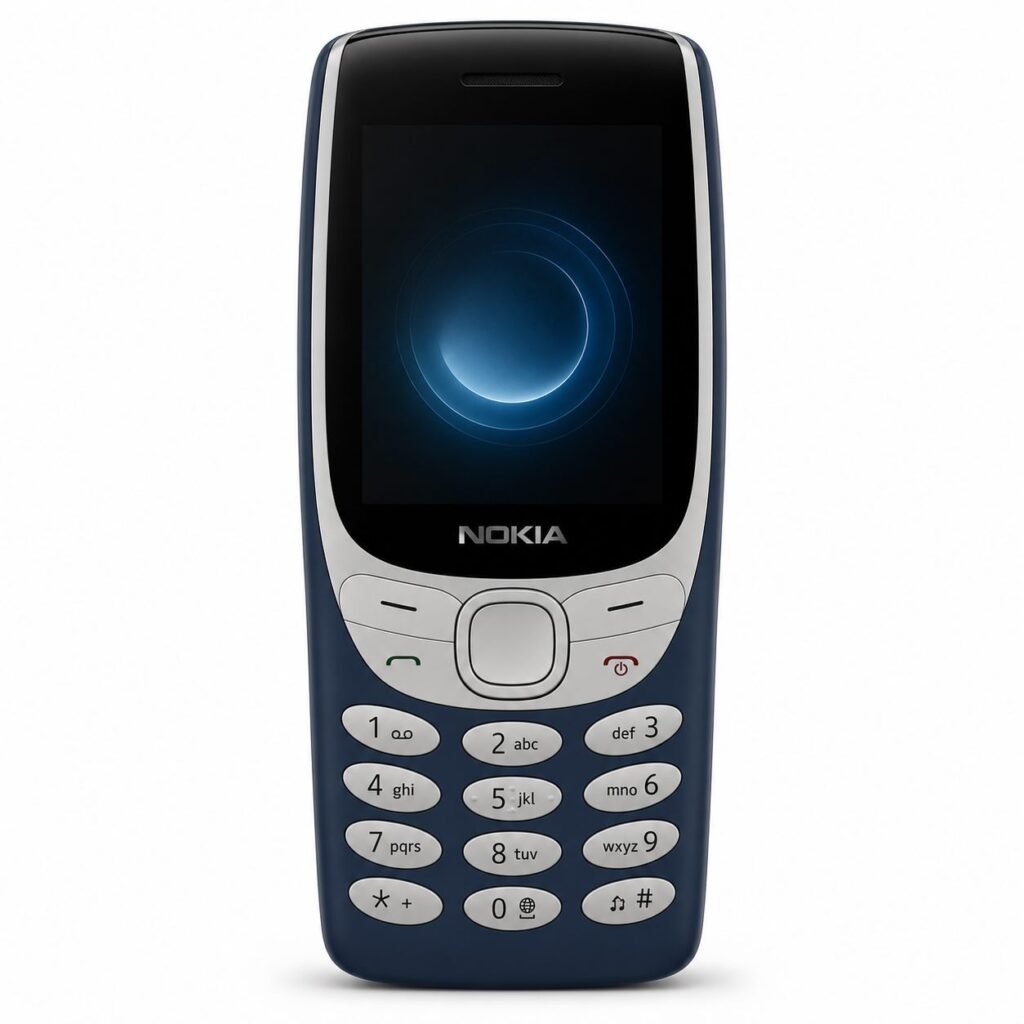
This is a candybar handset with 2.8-inch QVGA display. It is designed around physical controls and concise menus, not an edge-to-edge touch interface. The benefit is tactile calling: numbers can be located by touch and calls are less dependent on interacting with a glass screen. The limitation is that long text entry and navigating large websites take more effort.
When testing a keypad phone, look beyond a photograph of its exterior. Press each number and the navigation controls, check the call volume, inspect screen contrast under indoor light and make sure the microphone works clearly. Try the keypad lock to avoid pocket dialing and inspect the plastic case for worn controls. These checks are more useful than theoretical performance figures for this category.
Software: understand the platform before buying
The operating system is S30+. This detail separates the model from touchscreen Android phones and, just as importantly, from Nokia feature phones running a different platform. Memory on this device means 48MB RAM, 128MB internal storage and microSD expansion up to 32GB; those values should not be read using the same expectations as smartphone RAM and app storage.
S30+ is intended for essential phone functions, built-in utilities and simple local media rather than a comprehensive app ecosystem. No specific WhatsApp, banking, social-network or streaming service should be promised without checking current compatibility. If an application is essential to daily life, verify it first on the exact phone rather than assuming it is present because the handset supports 4G.
Calls, network bands and Pakistan compatibility
Nokia 8210 4G supports 4G LTE as its network class. That is more modern than a 2G-only feature phone, but calls also depend on network frequency bands, operator provisioning and whether VoLTE works for the selected unit. Devices originating from foreign operators deserve particular care: some have restricted band coverage or network locks even when sold under the same model name.
A small phone may be purchased specifically for dependable calls. In that case, test an actual local SIM for outgoing calls, incoming calls, messages and coverage in the intended area. Pakistani regulatory registration is a separate issue from radio compatibility; neither should be inferred from the Nokia brand. For imported handsets, confirm device identity before any payment or transfer.
Camera and media functions
The camera specification is 0.3MP rear. It is useful for occasional reference photos, not a replacement for a modern smartphone camera. A basic sensor offers limited fine detail, and low light is a particular challenge. It would be misleading to judge this device by the existence of a camera while overlooking its main purpose as a communications handset.
Local music, built-in radio and headset use depend on the particular model’s connectors and media features. Small onboard storage is designed principally for system software and basic data. If a microSD card is supported, it may provide room for music or photographs, but it will not increase physical RAM or make an unsupported application run.
Battery and charging considerations
The phone uses a 1450 mAh removable battery. Removable power cells are useful when a genuine compatible replacement is available, but capacity decreases with age and repeated charging. Standby-time claims are not a substitute for checking the condition of a specific used battery and the network environment where the phone will operate.
Confirm the actual charging connector and inspect the port for damage, especially if the handset has passed through multiple owners. Avoid forcing a cable that appears to fit poorly. A small feature phone can still be unreliable if its charging contacts, battery cover or speaker have been damaged. Battery life depends heavily on signal conditions, call time, wireless accessories and screen usage.
Practical advantages and limitations
The strongest reason to choose Nokia 8210 4G is its combination of a compact keypad-focused design and 4G LTE connectivity. It can suit someone who values calling, simple messages and familiar navigation over multitasking. Physical controls are also easier to operate in some circumstances than a touchscreen, although accessibility depends on personal preferences and the actual button layout.
The compromises are equally clear. Browsing, document work, modern app support and photography lag far behind even an entry-level Android handset. Do not pay a smartphone-like premium for a keypad phone merely because it looks nostalgic. The value comes from whether its particular hardware feature is useful and whether spare batteries, chargers and a compatible SIM remain practical.
Model-specific details worth knowing
Despite its famous model number, this is not the original Nokia 8210 hardware. It is the modern 4G reinterpretation with a noticeably larger color display, new operating system and removable battery. The familiar keypad shape is the main link to the classic design.
Compared with a flip model, the candybar body is faster to pick up and dial because there is no hinge to open. The trade-off is that the buttons are exposed in a pocket, making a keypad lock setting important.
The camera is a basic VGA unit and the tiny memory should not be mistaken for smartphone-grade capacity. A microSD card can expand local music and photo storage, but it does not turn the S30+ system into an Android application device.
Buying assessment for Pakistan
Before deciding on Nokia 8210 4G, match the model identity against its physical body and software menus. Verify storage and RAM in the device itself, the condition of the display, reliable charging and the use of the relevant SIM. A name printed on a listing is not proof that a phone is an official Pakistan variant, and the absence of a verified local price is a reason not to treat an estimate as a quotation.
Use a decision based on the features you actually need, the total cost and any compromises that cannot be corrected after purchase. Cameras and batteries can age; unsupported radio bands and the wrong operating system are more fundamental limitations. The right choice is the model whose documented capabilities match your requirements, not the one with the longest promotional feature list.
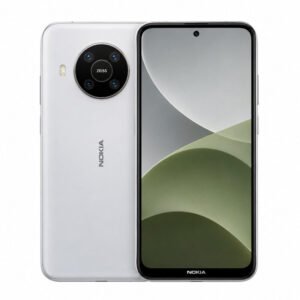
Nokia X10
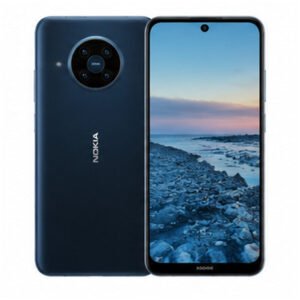
Nokia X100
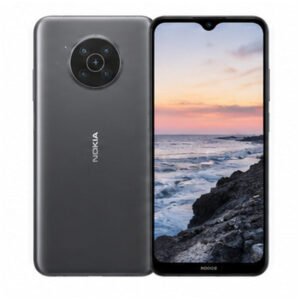
Nokia G300
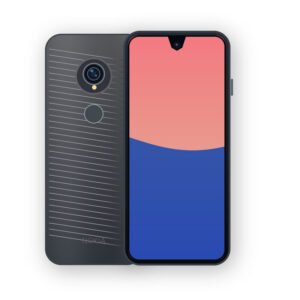
Nokia C21
Nokia G11 Plus
Nokia C21 Plus
Nokia G11