RAM & Storage Variants
vivo V40 Key Features
vivo V40 Specifications
Processor & Software
- Operating system
- Android 14
- User interface
- Funtouch OS 14
- Chipset / SoC
- Qualcomm Snapdragon 7 Gen 3
- Fabrication process (nm)
- 4 nm
Performance Benchmarks
820,000
AnTuTu
Version v10
Total scoreAnTuTu
Version v10
Geekbench 6
Version v6
Scores reflect the listed benchmark versions; results from different tests are not directly comparable.
Build & Design
- Dimensions
- 164.16 × 74.93 × 7.58 mm
- Weight
- 190 g
- Available colors
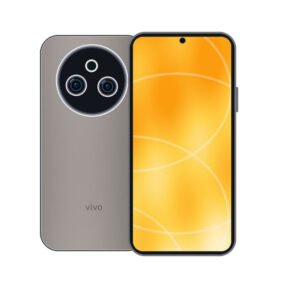
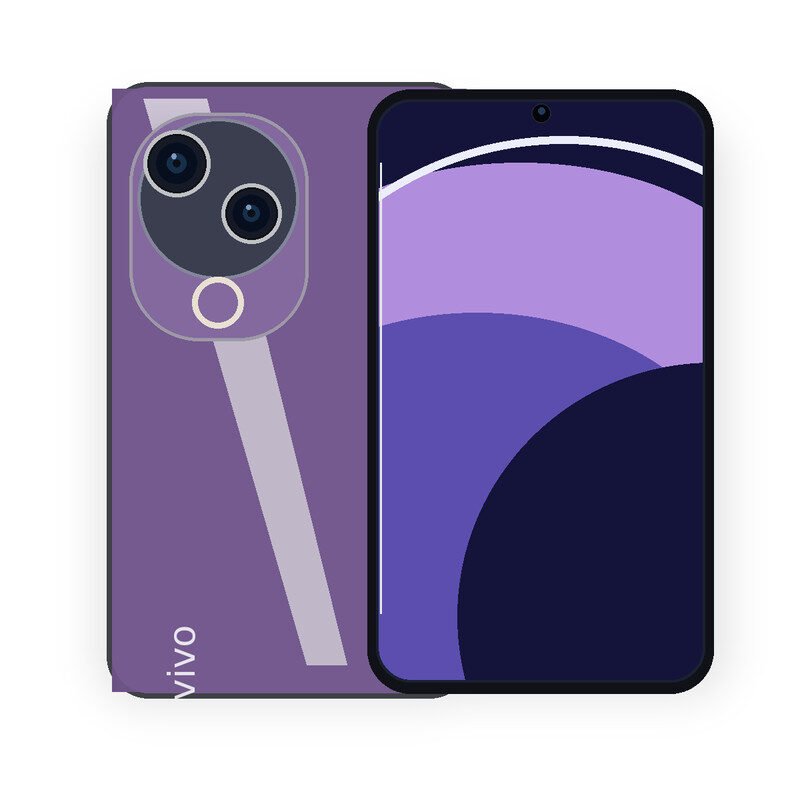
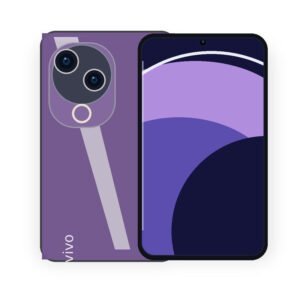
- Nebula Purple, Stellar Silver (regional options)
Display
- Display technology
- AMOLED
- Screen size
- 6.78 inches
- Resolution
- 2800 × 1260
- Refresh rate
- 120 Hz
Network & Frequency
- Network technology
- GSM / HSPA / LTE / 5G
- SIM configuration
- Dual Nano-SIM
Memory & Storage
- RAM
- 12 GB physical RAM
- RAM type
- LPDDR4X
- Internal storage
- 256 GB
- Storage technology
- UFS 2.2
- Memory card slot
- No microSD expansion
Cameras & Video
- Rear camera setup
- 50 MP OIS
- Ultrawide camera
- 50 MP autofocus ultrawide
- Rear video recording
- Up to 4K recording
- Front camera
- 50 MP autofocus
Connectivity
- Wi-Fi
- dual-band Wi-Fi
- Bluetooth
- 5.4
- USB
- USB Type-C 2.0
Sound & Multimedia
- Speakers
- Stereo speakers
Durability & Repairability
- IP rating
- IP68/IP69
Battery & Charging
- Battery capacity
- 5500 mAh (typical)
- Wired charging
- 80W FlashCharge
- Removable battery
- Non-removable
Who should consider this phone?
vivo V40 combines a 6.78-inch curved AMOLED, Qualcomm Snapdragon 7 Gen 3, 12 GB physical RAM and a 5500 mAh battery. Its most sensible audience is a buyer who values high-resolution AMOLED, stronger ingress protection and 50 MP wide cameras. The key compromise is no dedicated telephoto lens despite the ZEISS portrait branding. That trade-off should guide the purchase rather than an impressive-looking camera count or a promotional memory figure. The V40 keeps the Snapdragon 7 Gen 3 platform familiar from V30, but increases rated capacity to 5500 mAh and adds IP68/IP69 resistance. The practical upgrade is endurance and protection, not a claimed leap in raw processor performance.
Price and availability in Pakistan
Pakistan dealer references put the V40 at approximately Rs. 139,999 for the commonly listed configuration. It is a price reference, not a live offer. Pakistan listings give the 12 GB/256 GB V40 price as a reference; confirm the exact storage size of any unit under consideration. Before comparing prices, match the RAM, storage, color and warranty status on the actual device. A distributor-backed box and a grey-market or used handset are not interchangeable products. A slightly cheaper used or imported unit can be an expensive mistake if its IMEI registration, service history or battery condition is unclear. Compare the total amount paid, not just the first number in an advertisement.
Design and display in daily use
The screen is a 6.78-inch curved AMOLED with 2800 × 1260 resolution and a 120 Hz refresh rate. A high refresh rate helps moving menus and scrolling appear smoother, but does not make recorded videos automatically run at that frame rate. The panel size also affects pocket fit and typing with one hand. The documented body measures 164.16 × 74.93 × 7.58 mm. Its listed weight is 190 g. Keep screen resolution, outdoor brightness and accidental-touch behavior separate when comparing curved and flat screens.
Processor, everyday performance and memory
The Qualcomm Snapdragon 7 Gen 3 is built on a 4 nm process. It is best assessed against actual tasks: WhatsApp voice notes, Chrome tabs, maps, camera processing, occasional video editing and the games you personally use. The 12 GB physical RAM helps multiple ordinary apps remain open, while 256 GB built-in storage gives space for photos, apps and offline video. Do not count software-based extended RAM as installed physical memory. It borrows part of internal storage and cannot fully reproduce the behavior of real RAM chips. Chip architecture gives a useful clue, but there is no controlled benchmark or gaming frame-rate test attached to this listing, so precise performance claims would be misleading. ZEISS portrait effects with Aura Light.
Camera hardware and portraits
The principal rear camera is listed as 50 MP OIS. A 50 MP autofocus ultrawide is also part of the stated system. The front camera is 50 MP autofocus. ZEISS-assisted 50 MP OIS main and 50 MP ultrawide plus 50 MP autofocus selfie. For portrait lighting, group selfies and wide landscape scenes, look beyond megapixels to sensor size, autofocus capability, stabilization and the amount of available light. Daylight photographs and dim indoor shots place different demands on a phone. There is no verified dedicated optical portrait telephoto in this arrangement. If zoomed portraits are a priority, a phone with an actual telephoto lens deserves consideration. Software portrait effects and fill lighting can help subject separation, but do not replace the optical characteristics of the lens.
Video and content creation
The specified video capability is Up to 4K recording. Recording resolution by itself is not a guarantee of clean low-light footage, reliable stabilization or good microphone audio. Front and rear cameras may have different limits, even on the same phone. People making reels, classroom videos or product clips should test focus changes, indoor exposure and how long a single clip can be recorded. Leave room for files when using high-resolution settings: video can consume storage much faster than photographs.
Battery size and charging expectations
The 5500 mAh rated battery and 80W FlashCharge are central to the V40 battery story. Larger capacity provides more energy to work with, but screen brightness, signal strength, GPS, gaming and camera recording all affect the duration of a charge. Rated charging power is a maximum supported figure, not a promise that it stays constant from empty to full. Heat, battery level and charger compatibility change the charging curve. For long commutes and frequent power cuts, battery reliability matters more than a laboratory-style headline. Use a compatible charging adapter and avoid routinely charging the handset while it is wet.
Software and longer-term ownership
The documented software platform is Android 14 with Funtouch OS 14. Software versions need to be distinguished from actual remaining update commitments. An older version does not automatically mean an unusable phone, but a buyer should examine available security patches, supported banking apps and the ease of transferring data from an existing handset. Fingerprint or face unlocking, where provided, should be configured alongside a secure device PIN. Check accessible storage after preinstalled apps rather than assuming every advertised gigabyte is free. A factory reset cannot undo hardware wear, battery degradation or unofficial software modifications.
Network, SIM and connectivity in Pakistan
The phone supports 5G radio technology, but effective speeds depend on the exact regional frequency bands and the network deployed by a local operator. Confirm network-band support for the specific regional version. The stated card option is No microSD expansion. Its connector is USB Type-C 2.0. Bluetooth 5.4 is documented.
Pakistan PTA, warranty and buying checks
For a SIM-equipped smartphone used in Pakistan, the IMEI registration status is a separate question from the name printed on the box. Check the identifier on the handset and confirm it through the official PTA procedure before paying for an imported or second-hand set. A seller saying “approved” is not sufficient evidence for a particular unit. Ask for an invoice, match the box identifier to the phone, check sealed or refurbished condition, and understand who handles defects. Pakistan listings give the 12 GB/256 GB V40 price as a reference; confirm the exact storage size of any unit under consideration. Warranty terms, accessories and network-band variants deserve the same attention as camera megapixels.
What this model gets right and where it falls short
The clearest reasons to shortlist the vivo V40 are high-resolution AMOLED, stronger ingress protection and 50 MP wide cameras. However, no dedicated telephoto lens despite the ZEISS portrait branding deserve equal weight. Hardware tables describe potential, not guaranteed speed, battery life or photo quality under every condition. Consider what you use each day: a parent sending pictures will prioritize different features from a student reading PDFs or a person recording events. Compare phones against the needs you actually have.
Alternatives worth comparing
V40 Pro is the option with a real telephoto lens and faster Dimensity 9200+ chipset; V50 improves battery capacity. Make sure comparison phones are in the same genuine price band and have equivalent local warranty arrangements. It is also worth checking whether a less expensive device gives you the screen resolution, battery endurance and app compatibility you need without paying for camera features you rarely use. More expensive is not always more suitable, especially if it trades a headphone socket, expansion slot or flat screen for cosmetic changes.
Practical recommendation
Choose the vivo V40 if your priorities are high-resolution AMOLED, stronger ingress protection and 50 MP wide cameras, and you accept no dedicated telephoto lens despite the ZEISS portrait branding. Look elsewhere if your main priority depends on the missing feature rather than the phone’s actual strengths. Verify the storage configuration, genuine software, PTA status and after-sales support before treating an online specification as a buying decision. The strongest reason to buy a phone is not the number of feature badges it displays, but how closely its confirmed hardware fits your daily routine.
Vivo Y32
vivo Y31s 5G

vivo Y37c
vivo X200 Ultra

vivo Y29s

vivo V50e

vivo Y300 Pro Plus