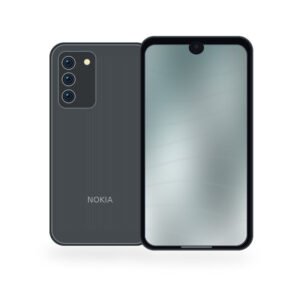

Nokia 125 Key Features
Nokia 125 Specifications
Build & Design
- Build materials
- Rigid inner frame; ceramic-coated finish
- Available colors
- Black
Network & Frequency
- Network technology
- GSM (2G)
Display
- Screen size
- 2.0 inches
Memory & Storage
- Expandable storage
- MP3 support with memory card
Cameras & Video
- Rear camera setup
- Basic rear camera with flash
Connectivity
- FM radio
- FM radio
Battery & Charging
- Battery capacity
- 1000mAh
- Removable battery
- Yes
Additional Information
- Technical notes
- Voice recorder; Snake game; up to 2,000 contacts
Who should consider Nokia 125?
Nokia 125 is a traditional keypad feature phone rather than a compact smartphone. It focuses on simple calling, SMS and lightweight entertainment. A Pakistan reference price of Rs. 5,199 is listed for the matching model; this is a reference figure, not a promise that every shop will sell it for the same amount. The biggest reason to consider it is the straightforward physical keypad and its 1,000mAh removable battery. It does not run an Android app store, and anyone expecting modern social and banking apps should choose a smartphone instead.
Keypad, screen and daily handling
The 2.0-inch colour screen is designed for menus, contact names, call details and text messages, not websites or video streaming. Physical keys give clear feedback and are usable without precise touchscreen gestures. For people who mostly make calls, keypad spacing and readable text matter more than resolution figures. The plastic body is compact enough for pockets, but a larger modern touchscreen remains easier for maps, photographs and lengthy typing.
Calling, network and SIM suitability
The Nokia 125 targets 2G network model, not Nokia 125 4G. That distinction is essential in Pakistan: this version cannot be treated as a 4G or VoLTE handset. Voice reliability depends on whether the user's operator continues to provide compatible 2G service in the places they actually travel. Test a SIM at home and at work before treating an inexpensive feature phone as an emergency backup. Mobile network availability also matters for older people who depend on reliable contact with family.
Battery and charging considerations
HMD lists a 1,000mAh removable battery. With a removable design, the battery can potentially be replaced rather than requiring disassembly of a sealed smartphone. Standby figures are laboratory estimates, not guarantees of a particular number of days between charges. Signal searching, speaker volume, torch use and call length all consume power. The sensible buying check is to verify that the battery sits correctly, the charging connector is sound, and a suitable charger is available.
Audio and practical extras
A basic FM radio, MP3 playback with suitable storage and familiar built-in games provide modest entertainment without the distractions of smartphone notifications. For music playback, confirm the supported memory card and audio setup on the actual unit. A torch may be more useful than a camera for a family backup phone. The speaker should be tested at a realistic volume, especially if the phone is meant for a user who finds quiet earpieces difficult.
Camera and media limitations
Camera expectations should be kept realistic: simple rear camera and flash. This hardware is not comparable with even an entry-level smartphone camera. It is unsuitable for high-quality document scans, detailed travel shots or video calls. The small screen also limits the usefulness of photos. People who frequently need to send images, scan documents or use QR codes will have a much easier experience with a budget Android handset.
Pakistan price and product identification
A Pakistan reference price of Rs. 5,199 is listed for the matching model; this is a reference figure, not a promise that every shop will sell it for the same amount. A useful precaution is to check the printed product name and box label instead of relying on a dealer's shorthand description. Several Nokia feature phones have similar names, and some have separate 2G and 4G releases. Ask about the seller's warranty terms and verify whether the handset is compatible with the chosen network. A boxed unit and a locally supported battery make more sense than a cheap phone with uncertain history.
Useful checks for a basic Nokia handset
Try the camera, torch and FM radio before deciding that every feature works. Open the contact list and test the central navigation key, because an ageing keypad can register poorly even when the screen lights up. A network call should be clear in both directions. Inspect the rear cover and the charging connection, then make sure the battery can be replaced with a compatible unit. These checks are particularly important when shopping for a basic phone at a low price.
Strengths, trade-offs and buying verdict
The clearest strengths are the familiar keypad, simple menu system and removable battery. The limitations are equally clear: no 4G data, no modern messaging apps and very basic imaging hardware. Do not confuse Nokia 125 with Nokia 125 4G. The latter is a different product with a larger 2.4-inch display, a different chip and 1450mAh battery. Mixing those specifications would produce an incorrect listing. This entry concerns the simpler 2G Nokia 125 shown on HMD's Pakistan site. The 125 adds a basic rear camera and more decorative ceramic-style back finish to a straightforward keypad-phone concept. The camera is for basic records, not social-media photography. For calls, the more important practical details are keypad feel, speaker audibility, the strength of the cellular signal and the condition of the removable battery. For users who only need voice calls and texts, Nokia 125 is worth considering. For mobile internet, navigation or app-based daily work, choose a proper smartphone or a verified 4G-capable feature phone instead.
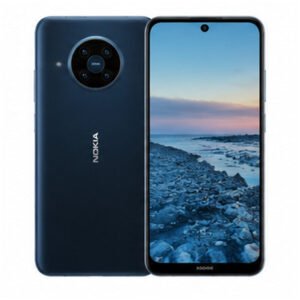
Nokia X100
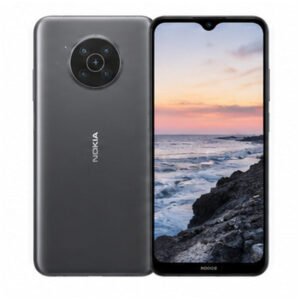
Nokia G300
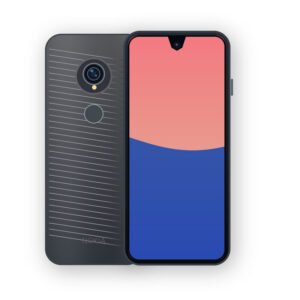
Nokia C21
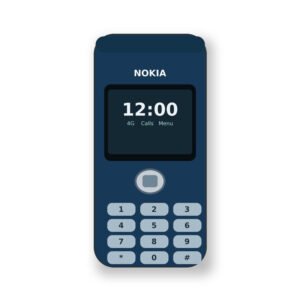
Nokia 8210 4G
Nokia G11 Plus
Nokia C21 Plus
Nokia G11