
RAM & Storage Variants
Redmi K80 Key Features
Redmi K80 Specifications
General & Launch
- Availability
- Released
Processor & Software
- Operating system
- Android 15 / Xiaomi HyperOS 2
- Chipset / SoC
- Qualcomm Snapdragon 8 Gen 3
- Fabrication process (nm)
- 4nm
- CPU
- Octa-core flagship chipset
- GPU
- Adreno 750
Performance Benchmarks
2,050,000
AnTuTu
Version v10
Total scoreAnTuTu
Version v10
Geekbench 6
Version v6
Scores reflect the listed benchmark versions; results from different tests are not directly comparable.
Build & Design
- Dimensions
- 160.26 × 74.95 × 8.12 mm
- Weight
- 206 g
- Available colors
- Black, White, Mint Green, Blue
Display
- Display technology
- OLED
- Screen size
- 6.67 inches
- Resolution
- 1440 × 3200
- Refresh rate
- 120 Hz
- Brightness (nits)
- 1800 nits HBM; 3200 nits peak
- Display protection
- Corning Gorilla Glass 7i
Network & Frequency
- Network technology
- GSM / HSPA / LTE / 5G
- SIM configuration
- Dual nano-SIM
Memory & Storage
- RAM
- 12GB / 16GB physical
- RAM type
- LPDDR5X
- Internal storage
- 256GB / 512GB / 1TB
- Storage technology
- UFS 4.0
- Memory card slot
- No microSD slot
- Memory configurations
- 12GB/256GB; 12GB/512GB; 16GB/512GB; 16GB/1TB
Cameras & Video
- Rear camera setup
- 50MP main with OIS
- Ultrawide camera
- 8MP ultrawide
- Optical stabilization
- Yes
- Rear video recording
- Up to 8K
- Front camera
- 20MP
- Front video recording
- 1080p
Connectivity
- Wi-Fi
- Wi-Fi 7
- Bluetooth
- 6.0
- NFC
- Yes
- USB
- USB Type-C
- Infrared port
- Yes
Sound & Multimedia
- Speakers
- Stereo speakers
Sensors & Security
- Fingerprint reader
- Under-display ultrasonic
Durability & Repairability
- IP rating
- IP68
Battery & Charging
- Battery capacity
- 6550mAh
- Wired charging
- 90W wired
Redmi K80: who should consider it?
The Redmi K80 is a high-resolution OLED performance phone with a 6.67-inch OLED, a Qualcomm Snapdragon 8 Gen 3 processor and a 6550mAh battery. It is particularly suited to users wanting strong flagship-class processing and a sharp 2K display without paying for the Pro camera set. Its most important compromises deserve attention before comparing a retailer price or choosing a different regional version.
The K80 combines Snapdragon 8 Gen 3 with a 1440p-class OLED and a larger 6550mAh battery. It is a more display-focused alternative to models sold mainly on the fastest charging headline. Those strengths come from the published hardware rather than any invented benchmark or hands-on test. This guide separates the documented features from the purchasing questions that matter in Pakistan.
Pakistan price, variants and buying context
There is no reliably verified, comparable official Pakistan retail price for the Redmi K80 in the source material used for this profile. Its international launch or China-market asking price must not be converted into an invented local list price. A prospective importer should separately budget for customs, local registration, warranty risk and any bundled accessories.
The documented memory options are 12GB / 16GB physical RAM and 256GB / 512GB / 1TB built-in storage, with combinations depending on the exact regional SKU. Virtual RAM, where enabled, uses a portion of storage; it is not additional physical memory. For Pakistan, check Chinese-market firmware, warranty and Pakistan carrier interoperability. Browse the Xiaomi brand listings for relevant comparisons, then confirm each regional variant.
Design, size and everyday handling
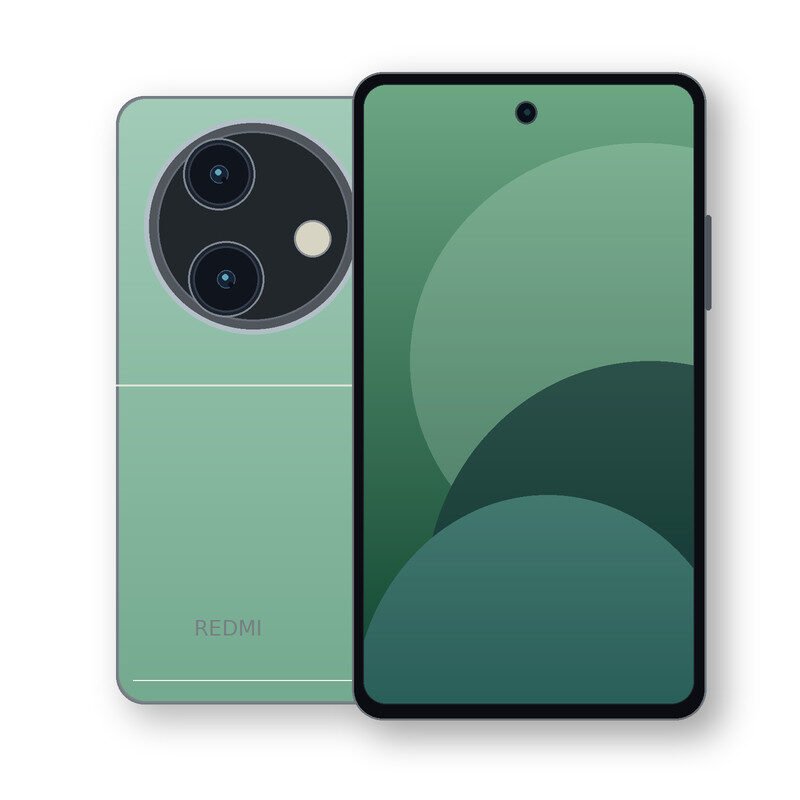
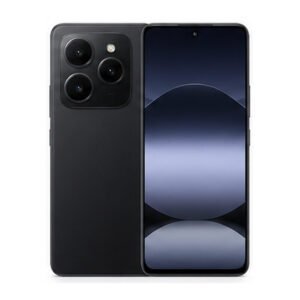
At about 206 g and with dimensions of 160.26 × 74.95 × 8.12 mm, this is a phone that deserves a practical size check. The 6.67-inch OLED display determines the overall footprint, while the battery capacity affects how compact the body can be. Colours listed for the documented model include Black, White, Mint Green, Blue; finishes and regional selections need not be identical. The design is identifiable by the oversized circular camera plate crossing a two-texture rear finish.
The quoted IP68 protection is useful reassurance against the specified environmental exposure, but it does not make this a waterproof device for deliberate immersion or imply coverage for liquid damage. A protective case remains sensible, particularly when importing a phone with uncertain parts availability.
Display quality and the refresh-rate difference
The screen measures 6.67-inch OLED with a resolution of 1440 × 3200 and refresh support up to 120 Hz. Refresh rate describes how often the panel can redraw; it does not tell you the resolution of an image or promise that every game will run at the same frame rate. Text rendering, daylight visibility and video detail also depend on panel sharpness and brightness.
The OLED panel can switch off individual pixels for deep blacks and supports a more premium visual presentation than the LCDs in entry-level Redmi A models. High refresh support can feel responsive during scrolling, but the content and power settings determine when those higher rates are used. For long reading sessions, screen comfort and brightness settings matter more than one large refresh number.
Processor, physical RAM and storage speed
Qualcomm Snapdragon 8 Gen 3 is the chipset powering this handset, paired with LPDDR5X RAM and UFS 4.0 storage in the documented configuration. Snapdragon 8 Gen 3 is a high-end SoC that should have more graphics headroom than budget Redmi devices, although there are no verified tests for the imported unit. Software version, thermal conditions and available memory can change the experience.
For gaming and demanding workloads, graphics settings are a more reliable starting point than a claim of a universal maximum frame rate. Long sessions can warm a phone, and cooling conditions differ from one person to another. Fast internal storage can help install and load large apps, yet it cannot rescue a game that requires more graphics power or RAM than the installed hardware supplies.
Rear cameras, selfies and video limits
The documented main rear camera is 50MP main with OIS, while the front camera is 20MP. A 50MP OIS main lens and 8MP ultrawide cover ordinary focal lengths but not optical portrait zoom. Image processing, lighting, movement and lens quality matter in real photographs, so the megapixel count should not be interpreted as a tested image-quality score. Good daylight and a steady hand are especially important to budget cameras.
Rear video recording is specified as Up to 8K; the front camera specification includes 1080p. Those are hardware recording options, not sample-video reviews. Video stabilization, autofocus behaviour and exposure may differ between modes. If you film moving children, indoor events or nighttime streets frequently, compare actual original files from the same model instead of relying on promotional stills alone.
Battery capacity and charging in practical terms
The fitted battery is 6550mAh and the stated charging support is 90W wired. Capacity is a useful comparison, but actual time between charges depends on display brightness, signal strength, background activity and mobile data use. Similarly, the maximum charging wattage is a capability of the device and compatible charger, not a fixed charging speed maintained from empty to full.
Use a suitable, trusted power adapter and a sound USB-C cable. A large battery paired with modest charging power naturally requires more planning than a small battery with a very fast system. Charging overnight, keeping a spare cable and avoiding obstructed ventilation are more practical than relying on an unsupported runtime estimate.
Software experience, connectivity and security
The documented operating system is Android 15 / Xiaomi HyperOS 2. Version information refers to the original product configuration, not a guarantee that every shop unit has received the same updates. The interface, preinstalled applications and update channels may vary between markets. If you depend on banking apps, Google services, work profiles or a particular language, check the exact software build instead of assuming availability from a global model name.
Connectivity includes 5G / 4G LTE, Wi-Fi 7 and Bluetooth 6.0. The physical SIM arrangement is Dual nano-SIM. Fingerprint unlocking is under-display ultrasonic, and NFC is listed for this model. Network capability alone does not establish official PTA registration, a Pakistan warranty or a carrier’s current service availability.
Important limitations before buying
Its secondary camera is an 8MP ultrawide; there is no dedicated telephoto lens. The exact storage variant, included charger, regional firmware and warranty all change the purchase decision. Shop listings sometimes reuse images across similar Redmi names; insist on the box designation and the actual device settings. A low online price should not hide a registration issue or a return policy that is difficult to use.
An imported phone may have a China-market software build and service conditions that differ from a Pakistan-authorized version. Check supported bands, notification handling, app compatibility and practical repairs before paying. An online price conversion from China is not the amount a Pakistani buyer will necessarily pay after shipping and local obligations.
Redmi K80 compared with nearby Redmi options
A sensible comparison starts with the Redmi K80 Pro, not an unrelated premium phone. Decide which trade-off changes your own routine: a faster processor, sharper panel, actual camera focal lengths, battery size, local warranty or a better-supported software version. Matching storage and memory is essential because the cheapest version of one phone may not be directly comparable with the better-equipped version of another.
A circular module can look like a complex professional camera, but the practical combination here is a stabilized main camera and a basic ultrawide. There is no dedicated telephoto unit. The ultrasonic fingerprint reader, stereo speakers and IP68 rating distinguish this from the Redmi A range. None of those features automatically guarantees local after-sales support for an imported handset.
Who should buy it and who should look elsewhere?
Choose the Redmi K80 if you are users wanting strong flagship-class processing and a sharp 2K display without paying for the Pro camera set and accept the trade-offs described above. Snapdragon 8 Gen 3 is a high-end SoC that should have more graphics headroom than budget Redmi devices, although there are no verified tests for the imported unit. Prioritise the screen, available memory and local network support instead of assuming that a model suffix alone ranks it above another device.
Inspect the exact model and local support terms before deciding.
Redmi A7

Redmi K90

Redmi K90 Pro Max
Redmi Note 13

Redmi Note 13R
Redmi Note 14

Redmi Note 14 5G