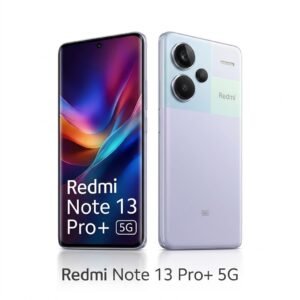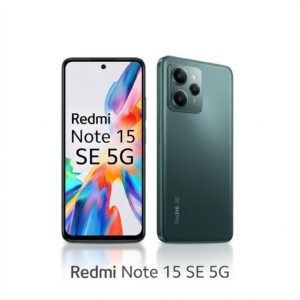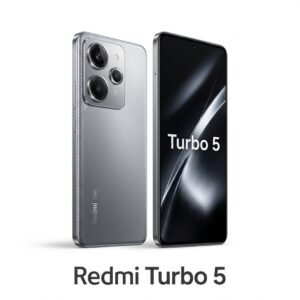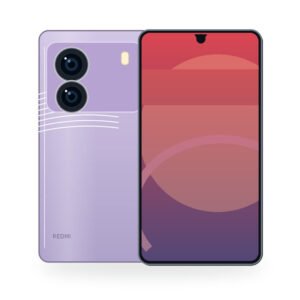
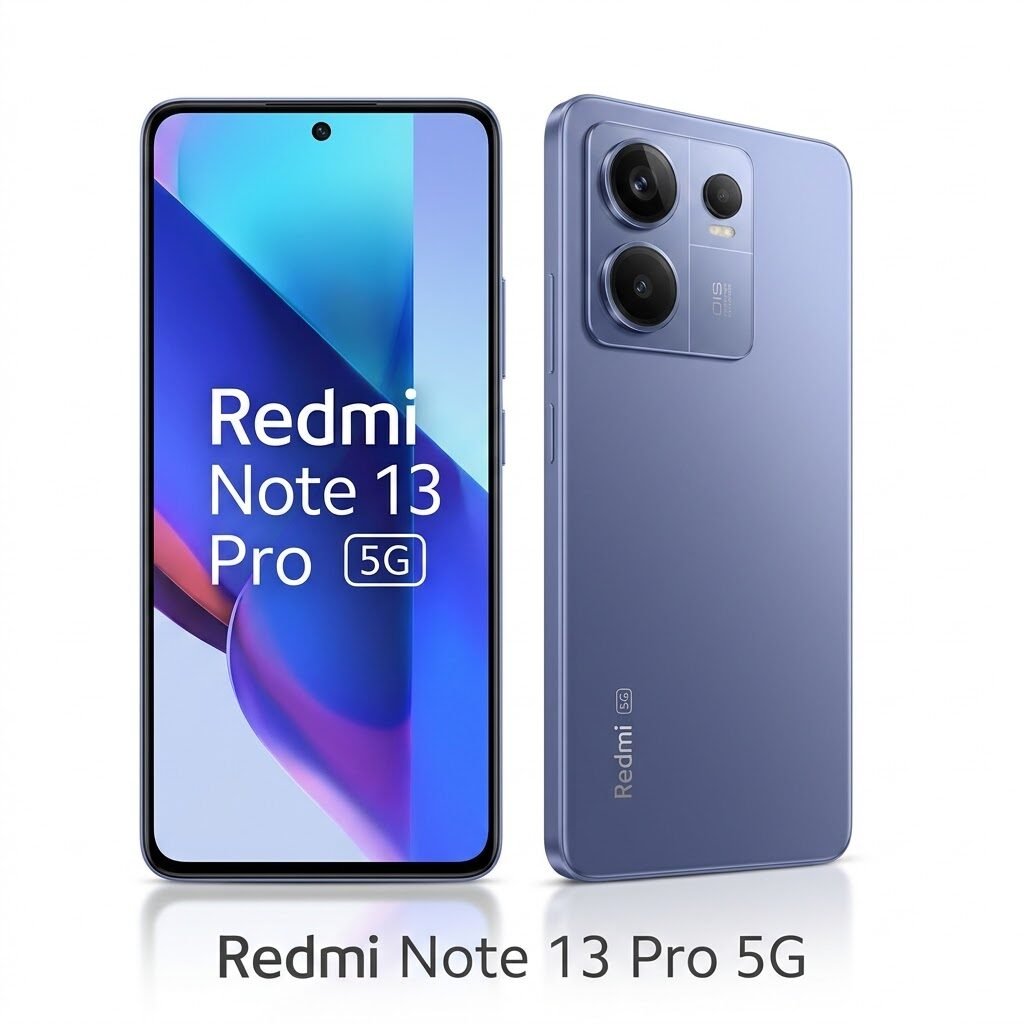
Redmi Note 13 Pro 5G Key Features
Redmi Note 13 Pro 5G Specifications
Processor & Software
- Operating system
- Android 13 (launch)
- User interface
- MIUI 14 (launch)
- Chipset / SoC
- Qualcomm Snapdragon 7s Gen 2
- Fabrication process (nm)
- 4 nm
- CPU
- Octa-core, up to 2.4 GHz
- GPU
- Qualcomm Adreno
Build & Design
- Dimensions
- 161.15 × 74.24 × 7.98 mm
- Weight
- 187 g
- Available colors
- Midnight Black, Aurora Purple, Ocean Teal, Olive Green
Display
- Display technology
- AMOLED
- Screen size
- 6.67 inches
- Resolution
- 2712 × 1220 pixels
- Pixel density (ppi)
- 446 ppi
- Refresh rate
- Up to 120 Hz
- Brightness (nits)
- 1800 nits peak
- HDR formats
- Dolby Vision
- Display protection
- Corning Gorilla Glass Victus
- Extra Features
- 1920Hz PWM dimming
Network & Frequency
- Network technology
- 2G / 3G / 4G LTE / 5G
- SIM configuration
- Dual nano-SIM
Memory & Storage
- RAM
- 8GB / 12GB physical RAM
- RAM type
- LPDDR4X
- Internal storage
- 256GB / 512GB
- Storage technology
- UFS 2.2
- Memory configurations
- 8GB+256GB; 12GB+512GB
Cameras & Video
- Rear camera setup
- 200MP, f/1.65, OIS
- Primary sensor
- 1/1.4-inch
- Ultrawide camera
- 8MP, f/2.2
- Macro / depth camera
- 2MP, f/2.4
- Rear camera features
- 16-in-1 pixel binning; HDR
- Optical stabilization
- Yes, main camera
- Rear video recording
- 4K at 30fps; 1080p at 30/60fps
- Front camera
- 16MP
- Front video recording
- 1080p at 30/60fps
Connectivity
- Wi-Fi
- Dual-band Wi-Fi
- Bluetooth
- 5.2
- USB
- USB Type-C
- Infrared port
- IR blaster
Sound & Multimedia
- Speakers
- Dual speakers
- Stereo speakers
- Yes
Sensors & Security
- Fingerprint reader
- In-display fingerprint sensor
Durability & Repairability
- IP rating
- IP54
- Glass / frame durability
- Corning Gorilla Glass Victus
Battery & Charging
- Battery capacity
- 5100 mAh (typical)
- Wired charging
- 67W wired
- Removable battery
- No
Redmi Note 13 Pro 5G at a glance
The Redmi Note 13 Pro 5G combines a 6.67-inch high-resolution AMOLED screen, Snapdragon 7s Gen 2 chipset and a 200MP camera with optical image stabilisation. It is a noticeably different device from the similarly named Redmi Note 13 Pro 4G. The 5G version uses Qualcomm processing and a 5,100mAh typical battery; the 4G version uses a different chip and must not inherit these specifications.
For a buyer who photographs frequently, values a crisp screen and wants an ordinary phone rather than a gaming specialist, the 5G hardware offers an appealing combination. The specification is useful, but the condition, warranty and precise version of a particular unit matter just as much.
Price and what Pakistan buyers should verify
No reliable current Pakistan selling price for the exact 5G configuration is included in this record. A shop listing for Redmi Note 13 Pro without the 5G suffix may describe the Helio G99 model and cannot safely be reused as a price for this phone. Compare the retailer’s packaging and hardware identifiers before deciding that two advertised prices refer to the same product.
Manufacturer-listed configurations include 8GB physical RAM with 256GB storage and 12GB RAM with 512GB storage in some markets. Those combinations should not be confused with extended-RAM marketing figures. Verify network registration and warranty terms for the specific handset you intend to use in Pakistan.
AMOLED resolution is a genuine strength
The 6.67-inch panel has 2712 × 1220 pixels, about 446 pixels per inch and a refresh rate up to 120Hz. This matters more than the raw diagonal size: fine captions, web pages and detailed photos have substantial room to look crisp. AMOLED technology also provides deep black levels when showing dark interfaces and films. The specified 1,800-nit peak brightness is a peak measurement, not a promise that the entire screen runs continuously at that level.
Gorilla Glass Victus adds a named protective glass layer, but protection does not make the phone unbreakable. A good case and tempered glass can still be sensible, especially around crowded transport and busy work sites.
Snapdragon 7s Gen 2 and storage choices
Qualcomm’s Snapdragon 7s Gen 2 is produced on a four-nanometre process and has an octa-core CPU. In practical terms, its specifications support mainstream photo editing, navigation, productivity and moderate gaming. A higher display refresh rate does not guarantee that every game reaches 120 frames per second. Graphics settings, software and heat all influence frame delivery.
The documented memory uses LPDDR4X RAM and UFS 2.2 storage. These are not the fastest classes found on premium phones, yet they are suitable for the phone’s target tasks. Storage capacity can be especially important to someone using 200MP capture modes or saving many full-resolution videos.
The real value of the 200MP camera
The 200MP rear sensor has a large 1/1.4-inch format, f/1.65 aperture and optical image stabilisation. The pixel count can help capture detail under appropriate lighting, but ordinary photos may use pixel binning instead of saving every exposure at full resolution. Stabilisation helps reduce the effect of hand movement; it cannot freeze a moving subject in dim lighting.
An 8MP ultrawide is useful when buildings or groups do not fit in the main frame, and the 2MP macro is much more limited. There is no dedicated optical telephoto lens. Xiaomi also lists 4K rear recording and a 16MP selfie camera, which should satisfy common travel and social-video needs without claiming professional cinematography.
Battery, charging and long-term ownership
The 5,100mAh typical battery is paired with 67W wired charging. This gives the model a more useful balance of battery capacity and top-up speed than phones that rely on very slow chargers. The advertised wattage represents maximum supported wired charging with compatible equipment, not continuous charging power for an entire cycle. Battery health, temperature and charger authenticity remain practical considerations.
The phone originally shipped with Android 13 and MIUI 14. A device you encounter may have newer software installed, so the original operating-system listing should not be mistaken for the exact version currently running on every handset. Check software update status and security patches before purchasing an older unit.
Connectivity and everyday ownership details
The model supports 5G and LTE alongside modern wireless features, and its AMOLED display includes an in-screen fingerprint reader. Stereo speakers and an infrared blaster are useful extras for media and remote-control use. Region-specific features can vary, particularly eSIM and NFC, so they should not be treated as universal promises when the device is imported.
Water and dust resistance is rated at IP54, which is suitable for limited splashes rather than immersion. For Pakistan, also confirm cellular band compatibility for your operator and the actual PTA registration of the handset. None of those details can be established from the product name alone.
Should you buy the 5G Pro or another Redmi?
This model makes sense for someone prioritising an excellent-resolution display, a stabilised main camera and practical daily performance. It is less compelling for buyers who need the strongest water resistance or extremely fast charging. The Redmi comparison listings include newer alternatives with different priorities.
Be particularly careful with the Redmi Note 13 Pro listing, because the model name can refer to a different 4G configuration. The safest comparison is by chipset, battery, screen resolution and 5G support rather than by the words printed at the start of a product title.