
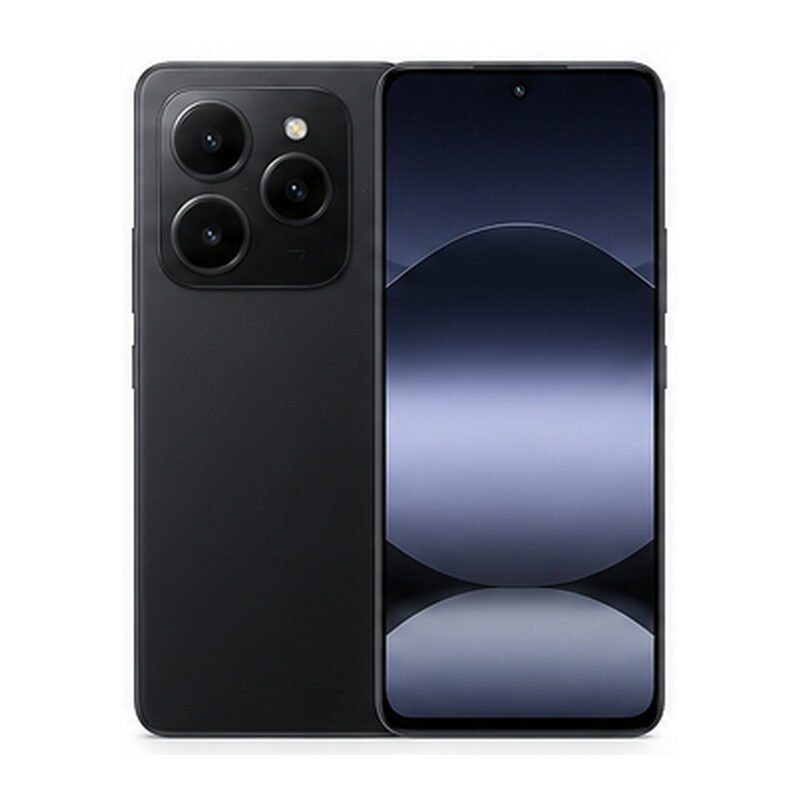
Redmi Note 14 Key Features
Redmi Note 14 Specifications
Body & Design
- Weight
- 196.5 g
- Available colors
- Midnight Black, Ocean Blue, Lime Green
Network & Cellular
- Network technology
- GSM / HSPA / LTE
- SIM configuration
- Dual SIM
Software & Processor
- Operating system
- Xiaomi HyperOS
- User interface
- Xiaomi HyperOS
- Chipset / SoC
- MediaTek Helio G99-Ultra
RAM & Storage
- RAM
- 6GB / 8GB
- Internal storage
- 128GB / 256GB
- Expandable storage
- microSD up to 1TB (hybrid slot)
- Memory configurations
- 6GB+128GB, 8GB+128GB, 8GB+256GB
Display
- Display technology
- AMOLED
- Screen size
- 6.67-inch
- Resolution
- 2400 × 1080
- Refresh rate
- 120Hz
- Display protection
- Corning Gorilla Glass 5
Camera & Video
- Rear camera setup
- 108MP
- Macro / depth camera
- 2MP
- Rear video recording
- 1080p at 30/60fps
- Front camera
- 20MP
Battery & Charging
- Battery capacity
- 5,500mAh (typical)
- Wired charging
- 33W wired
Audio
- Speakers
- Dual speakers, Dolby Atmos
- 3.5mm headphone jack
- 3.5mm
Wireless & Connectivity
- Wi-Fi
- Wi-Fi 5
- Bluetooth
- 5.3
- USB
- USB Type-C
Sensors & Security
- Fingerprint reader
- In-display optical
Durability & Repairability
- IP rating
- IP54
- Glass / frame durability
- Corning Gorilla Glass 5
Price last checked: 2026-10-30
Prices may vary by variant and local market.
Redmi Note 14 pairs a 6.67-inch 120Hz AMOLED display with the MediaTek Helio G99-Ultra, a 108MP rear main camera and a 5,500mAh battery. It supports 4G mobile networks and 33W wired charging. The standard Note 14 combines a 120Hz AMOLED screen with a 5500mAh battery and a familiar Helio G99-Ultra processor. It is the 4G model sold through Xiaomi’s Pakistan channel, not the separately specified 5G edition.
Price in Pakistan and the exact version
A Pakistan price reference lists the Redmi Note 14 at Rs. 57,999, but the amount is not a universal price for every memory option, colour or warranty channel.
The Note 14 label by itself does not imply 5G. Xiaomi Pakistan describes a Helio G99-Ultra 4G phone, while a separate Note 14 5G has a Dimensity processor and different charging hardware.
The name on an advertisement should match the phone information screen and the physical box. Storage capacity alone cannot prove that a device is the right country variant. For imported models particularly, separate the international specification from the actual memory and software supplied by an individual seller. Do not confuse an expected or currency-converted price with a verified Pakistani shop offer.
Screen, size and everyday handling
A 6.67-inch AMOLED screen with 2400 × 1080 resolution and a 120Hz maximum refresh rate is a major part of the experience. Higher refresh can make scrolling, supported animations and interface movements look more fluid, but individual apps and games set their own operating limits. The screen specification is not itself a measured display-quality review.
The 6.67-inch AMOLED and 120Hz refresh give the ordinary Note 14 a screen-first character. Gorilla Glass 5 adds a recognised protective layer, but a case and careful handling still matter.
The display sits in a body weighing 196.5 g. A phone that feels comfortable for short browsing can still be tiring for long one-handed sessions. If you read for hours or watch video on commutes, compare panel size, brightness controls, text scaling and grip rather than screen diagonal alone.
Processor and the kind of speed to expect
The MediaTek Helio G99-Ultra platform defines what is reasonable to expect from this model. It is not useful to judge a phone solely by its camera megapixels or RAM marketing number: processor design, storage behaviour, graphics workload and software optimisation all influence responsiveness.
Helio G99-Ultra is a known 4G-oriented platform used in several Redmi devices. Buyers moving from the Note 13 should look at the new battery and design details instead of expecting a dramatic chipset-class jump.
Real gaming frame rates and heat depend on the exact variant, firmware, settings and temperature. Benchmark claims need independent testing.
RAM, storage and software
Documented physical memory configurations include 6GB / 8GB RAM and 128GB / 256GB internal storage. Available free space is lower after the operating system and pre-installed applications occupy part of it. A nominally larger extended-memory figure is not the same thing as physical RAM.
The documented software family is Xiaomi HyperOS. Software versions can change after updates, and the installed build on a used or imported handset may not match the original factory version. Check the actual phone before making decisions about language, system apps and update policy.
For photos, downloadable maps and long-term app use, spare internal storage is valuable. Extra capacity is often a better everyday upgrade than an impressive advertised memory-extension setting. If you plan to record many videos or keep offline media, review the actual free storage and backup plan. A microSD slot should never be assumed without checking the precise model specification.
Rear cameras, selfies and video
The back has a 108MP main camera and a 2MP macro camera. The front camera is 20MP. A megapixel figure describes the maximum pixel count, not a promise of superior detail in every lighting condition.
The 108MP main camera is accompanied by a 2MP depth and 2MP macro unit. This is not the same setup as the earlier Note 13’s ultrawide-equipped triple system, so someone who frequently shoots interiors or group scenes should compare that omission.
The specified rear video mode includes 1080p at 30/60fps. Do not assume optical image stabilisation is present simply because the camera has a high resolution. Low light, movement and available storage all affect practical results. For serious video production, frame-rate needs and microphone quality should be checked before purchase.
Selfies, video calls and document scanning do not have identical camera needs. Focus behaviour, lighting and lens choice can matter more than a sensor resolution difference. Use the main camera for most critical detail, try the wider lens when a scene requires it, and keep expectations realistic for basic depth or macro modules.
Battery capacity and charging
The specified battery is 5,500mAh with 33W wired charging. Those are hardware values, not independently measured hours of screen time or a guaranteed full-charge duration. Gaming, camera use, signal strength, display brightness, battery health and charging temperature can change what users actually experience.
For regular messaging, streaming and navigation, battery endurance depends on both workload and screen settings. A healthy battery in the correct device variant is more valuable than a large figure on an unverified listing.
Use a suitable cable and a compatible charger. A headline wattage describes supported charging capability; actual input power varies with the charging protocol and battery temperature. If buying used, inspect the charging port, listen for excessive heat or electrical noise and check for signs of earlier repair rather than relying on a single battery-health claim.
Networks, audio, security and durability
This device supports 4G mobile connectivity. Network-generation support is separate from a promise that a particular operator, city or imported handset will deliver that connection. A mobile data icon can indicate connection technology, while actual speed depends on service coverage and network congestion.
For a Pakistani buyer, the relevant decision is a matched memory variant, warranty channel and PTA status, not just a familiar Redmi name. Price listings are useful references, but a different RAM/storage version or import channel can change the amount and support conditions. Verify the seller’s exact device information and included accessories.
The manufacturer or catalogue lists IP54 resistance. Resistance tests are conducted under controlled conditions and do not make a device waterproof. Dust and splash protection can deteriorate after damage or repair, and liquid damage may still be excluded by warranty. A proper case and dry charging port remain worthwhile precautions.
Other useful hardware includes Dual speakers, Dolby Atmos. A 3.5mm audio port can accommodate wired headsets. The fingerprint reader is in-display optical. Choose headphones and chargers for the actual connector and confirm which accessories are included with your specific unit.
What to compare before choosing
A useful comparison is the Redmi Note 13, but it serves a different emphasis. Compare the chip, network generation, real optical camera options and battery arrangement before comparing sticker prices. Similar brand names can hide very different processors or completely different regional editions.
The clearest compromise with the Redmi Note 14 is this: No 5G and no ultrawide camera. It may still be the right decision when the strengths fit your daily routine. Buyers should put the actual user requirement first, whether that is 5G, camera stabilisation, large-screen reading, easy warranty service or a smaller body.
If an advertised memory option or network band conflicts with the model specification, identify the actual handset before choosing. Apply the same caution to PTA status, warranty, accessories and resale value.
Who should consider this phone?
A straightforward Pakistan-market 4G phone for people who value AMOLED visibility and battery capacity over mobile-data generation.
For someone deciding whether to choose the Redmi Note 14, the practical test is whether its AMOLED screen, MediaTek Helio G99-Ultra platform, 108MP main camera and 5,500mAh battery meet real priorities. Check the exact configuration and terms of purchase first. A familiar Redmi label is helpful for identifying a family, but the fully specified device is what you actually own.

Redmi Note 13R

Redmi K90

Redmi K90 Pro Max
Redmi Note 13

Redmi Note 13 Pro

Redmi Note 13R Pro

Redmi Note 14 5G